
I’ve recently been seeing a new Christian therapist. One of her areas of specialty is helping patients learn to deal with chronic pain, which speaks to an issue in my life lately. We’ve only met three times, but I already love working with her, and she’s guiding me as I learn how to live in this new reality…I want to do it in a way that honors God and where I remain kind and gentle and approachable, despite pain. And I am beginning to see parallels in living with a mental health challenge, and living with chronic pain. Let me explain.
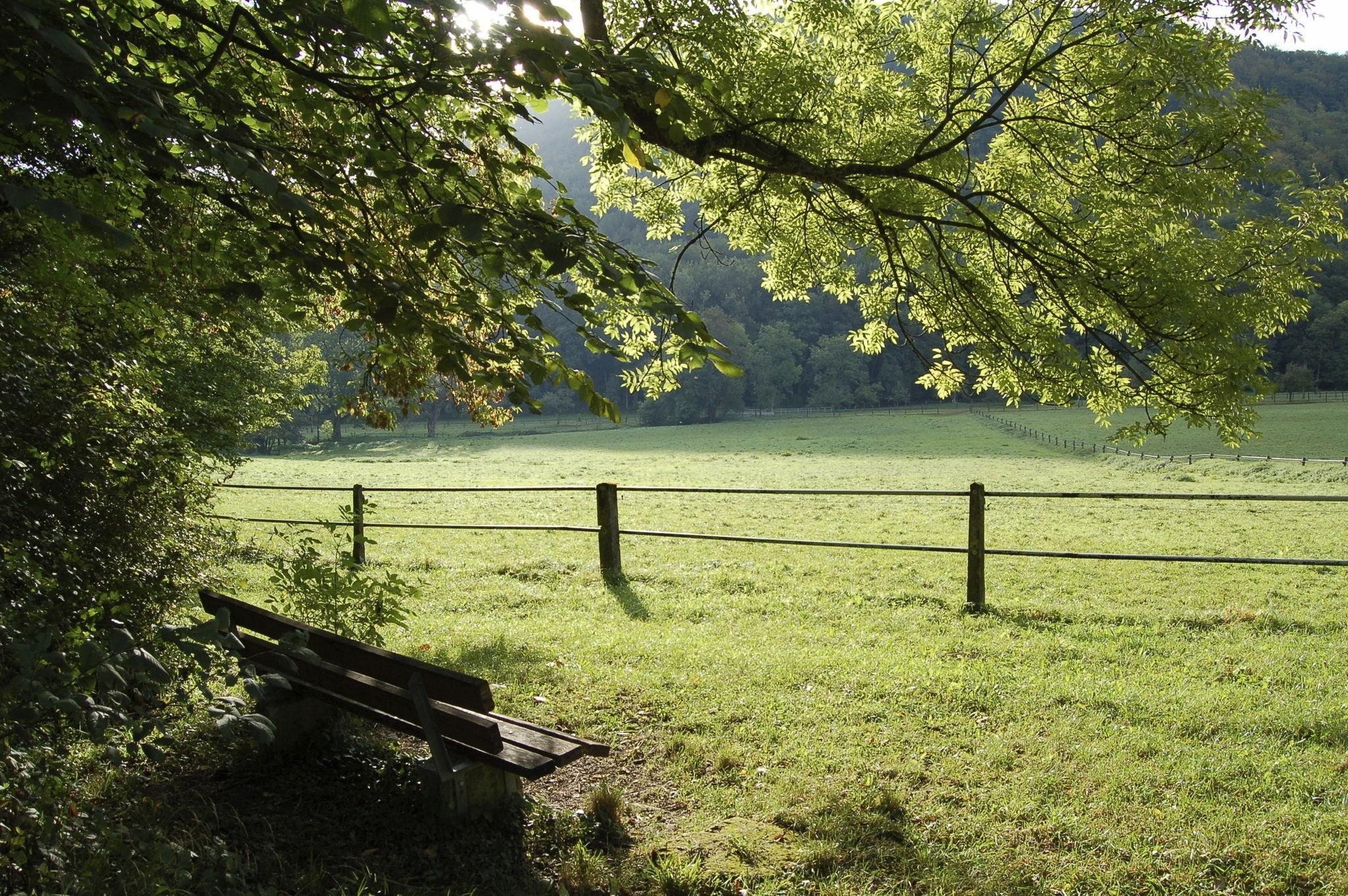
At my last visit with my therapist, she asked me to reflect on what I did to manage my depression all those years ago, which was a 10+ year journey. As we talked, I shared with her that I used to go to a boat landing along a river, especially when I was overwhelmed with depression at work, but didn’t want to go home. I’d sit along the river in my car, often with the windows rolled down so that I could hear the wind in the trees and the birds singing, and I’d nap, or listen to music, or journal, or cry; sometimes, I’d call a friend. Just a safe place to be, with no one having expectations of me. I’d stay an hour, sometimes two, until it was time to go home and re-enter family life, make dinner, etc.
My therapist listened carefully, and then gave that place a word: sanctuary. And she asked me to explore the idea of sanctuary as it now relates to living with chronic pain. What made it safe? What did I like about it? How did it refresh me? And what if it’s not a place, necessarily? What would it look like to have a sanctuary in my current situation, that of living with ongoing pain?
I’ve journaled on this concept several times since she and I talked, and then the word “sanctuary” jumped off the page of the Bible this week. I was reading a morning devotional, and Psalm 18:6 NLT says, “But in my distress I cried out to the Lord; yes, I prayed to my God for help. He heard me from his sanctuary; my cry to him reached his ears.”
Wow! God’s sanctuary!
In some ways, this word is not a surprise. God’s Word talks about God in the Holy of Holies of the Tabernacle, on His throne, or in His temple. But that day, the word sanctuary seemed really significant. So I did some research on the Biblical meaning.
Miqdash is Hebrew for sanctuary – a holy place set apart for the dwelling of God’s presence and for worship. One definition goes on to say that it’s a sacred consecrated space where the divine meets the human. It’s the dwelling place of God. It symbolizes safety and refuge. And it’s important to understand this Biblical narrative of God’s desire to dwell among His people.
Wow, again! What an incredible reminder…God wants to dwell with us. In fact, once we’ve declared Jesus as our Lord and Savior, the Holy Spirit comes to dwell in us. We become the sanctuary; God dwells in me! The Bible says, “The Spirit of God, who raised Jesus from the dead, lives in you.” Romans 8:11a NLT
So now I want to apply this to me, to my circumstances. Again, what is sanctuary for me when I’m experiencing the back pain that requires I stop, wait, rest?
Some things that I can bring forward, from my depression sanctuary to finding sanctuary in pain:
- I went to the boat landing without needing to improve.
- I could stay as long as I needed.
- I could choose: journal, pray, nap, cry, listen, or do nothing.
- I was held by the environment, the sounds and sights, but I was not required to engage.
- There was permission to be quiet.
- There was no “fixing” agenda.
Sanctuary was never about changing my state; it was about being accompanied inside it. Jesus was with me at that boat landing, sitting in the car with me, not rushing me or pushing me to feel better. Just being with me.
Of course, the boat landing was a place outside myself. Chronic pain, like pain from a mental health issue (yours or that of someone you love) is internal. This can make it harder to define. How can I reframe this idea of sanctuary as a condition, not a destination?
The question changes. Instead of, “Where is my sanctuary when I’m hurting (physically or emotionally)?” I ask, “What tells my body and mind that I’m allowed to stop?”
For me, some of the answers I’ve journaled have to do with comfort items. I want to touch things that are soft, warm, supportive. Perhaps leaning back on pillows in a quiet room with my fleece blanket over my legs.
There are also things I can say to myself. “I am not alone – God is holding me.” Or “It’s ok…take your time.” Or “Pausing now keeps this from becoming worse later.” (This one applies specifically to pain). And I’ve found it very important to remind myself from the truth from God’s Word…
- ”I will never leave you nor forsake you.” Hebrews 13:5b
- “I am with you always, to the very end of the age.” Matthew 28:20b
- “The Lord is close to the brokenhearted; he rescues those whose spirits are crushed.” Psalm 31:18
I’ll be honest. The hardest part of this is giving myself permission to stop, to not just wait until it passes, or push through the physical pain, but to rest until the pain subsides. Because it doesn’t always subside! So I have to adjust my thinking to allow myself to simply be held by God while the pain exists.
Perhaps the same can be true at times for mental health challenges. Yes, there are circumstances and times to “push through,” as we read every week in Tenet III, when we review the Recovery Principles in our Grupos de Fresh Hope. But that Tenet is also about not allowing our mental health challenge to become an excuse. We don’t want to “wallow in our excuses” – wallowing is not healthy. Perseverating, or mulling things over and over and over, is not healthy. But sometimes, sitting with our feelings, in a safe place, with safe people, is just what we need to do. Not to fix anything. But to acknowledge that we’re a little bit broken, that we are sad about that, and that we need others to sit with us.
And in my opinion, this is something that Fresh Hope does really well. Because we’re peer-to-peer, we’re not giving advice, or telling each other what to do. We’re folks with lived experience! We get it! And we’ll sit with you, week after week, as you process your pain, as you come to a place of accepting your diagnosis or that of your loved one, as you navigate medications and/or healthy ways of thinking, and how to balance feelings with God’s truth, and even how to give back based on your own experiences. Fresh Hope can be a sanctuary. A group of people who care, who understand, and who will walk this mental health journey with you.
I’m definitely still figuring out sanctuary as it relates to chronic pain. And I realize that some of what I described in my boat landing location doesn’t completely apply to mental health sanctuary, because I in no way want to encourage isolation! But there’s a difference between taking a time-out and isolating, and maybe that’s the point. Maybe I can learn how to live with pain, taking the time I need, but also engaging with people and life around me. And when it comes to my mental health, I know that Fresh Hope is a sanctuary for me. I’m encouraged, I’m supported, I’m prayed for, I’m comforted, I’m encouraged to look to Jesus for my hope. And ultimately, the Triune God is my sanctuary, and Fresh Hope reminds me of that each week.
Peggy ha colaborado con Fresh Hope como facilitadora de grupos durante más de 8 años y como entrenadora de agenes de esperanza (Hope Coaches) durante más de 6 años. Puedes ponerte en contacto con ella en peggy@freshhope.us.
Comparte esta publicación: